Brexit’s Lasting Echoes: UK’s Global Shift
When the Island Changed Course: A New Chapter in UK Politics
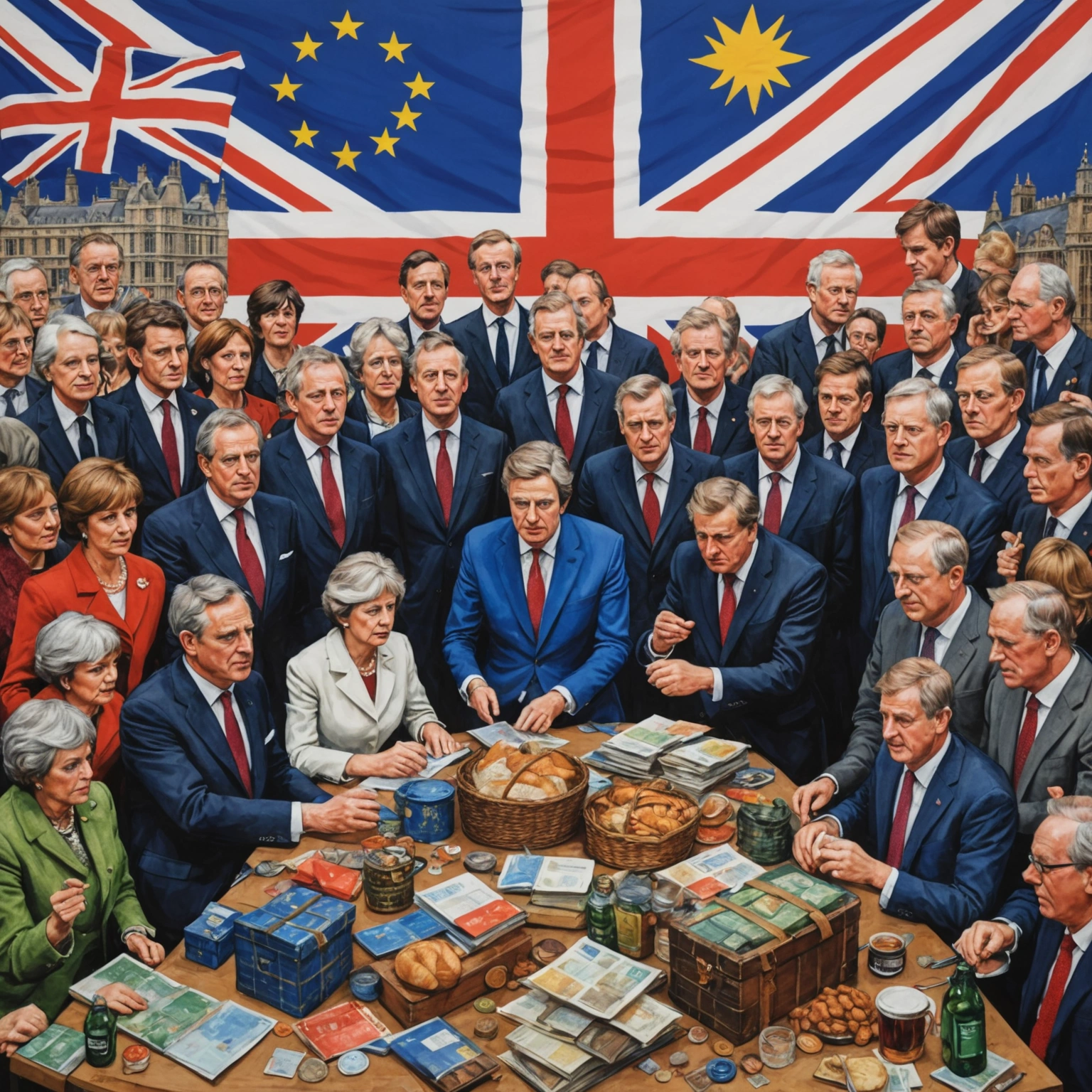
It’s been several years since the United Kingdom took the historic step of leaving the European Union, a decision that sent ripples far beyond the familiar streets of Westminster. The reverberations of Brexit continue to shape UK politics in ways that are as complex as they are profound. What started as a referendum—partly a debate over sovereignty, immigration, and economic control—has evolved into a reshaping of the entire political landscape. The old certainties about the UK's role on the world stage have been unsettled, stirring debates in pubs, boardrooms, and parliaments alike.
But what does this political upheaval mean for the everyday citizen, the business owner, or the curious observer? To truly grasp the magnitude of Brexit’s impact, it’s crucial to understand how it has altered not just the mechanics of governance but also the UK's intricate web of global relationships. These shifts influence trade agreements, diplomatic strategies, and even cultural exchanges. If you’ve ever wondered how Brexit might affect everything from your morning commute to the prices on supermarket shelves or the UK’s standing in global forums, this exploration is for you.
Economic Realities and Global Trade: Navigating Uncharted Waters
Global trade is the lifeblood of modern economies, and the UK’s exit from the EU has been nothing short of a seismic event in this arena. Previously benefiting from seamless access to a massive single market, UK businesses now face new customs checks, regulatory hurdles, and sometimes unpredictable tariff landscapes. These changes have sparked concerns about supply chain disruptions and have forced companies to rethink their strategies—whether that means diversifying markets or investing in new logistics solutions.
Consider this: as the UK negotiates fresh trade deals with countries across different continents, it’s not just about economics—there’s a broader narrative of redefining identity on the global stage. And while some sectors have adapted swiftly, others continue to wrestle with the fallout. This is the backdrop against which UK politics must operate, balancing internal pressures with external opportunities.
For those interested in the finer details of how these changes ripple through various industries, even areas as unexpected as sports betting provide intriguing examples. For instance, enthusiasts tracking live cricket betting odds might notice subtle shifts linked to regulatory changes post-Brexit—an illustration of how the political-economic landscape touches diverse facets of life.
The Crossroads Ahead: What Lies Beyond Brexit?
Looking forward, the UK’s journey is far from over. Brexit has forced a reckoning with questions about national unity, economic resilience, and global influence. How will UK politics evolve in response to these challenges? Can the country forge new alliances that compensate for the losses and frictions incurred? And perhaps most importantly, what lessons will be drawn from this bold experiment in recalibrating a nation’s place in the world?
In this article, we’ll dive deep into these themes, unpacking the layers of economic transformation, political recalibration, and international repositioning that Brexit has catalyzed. Whether you’re a policymaker, entrepreneur, academic, or simply someone keen to understand one of the defining stories of our time, this analysis promises to illuminate the lasting echoes of Brexit and the unfolding global shift it has set in motion.
Brexit’s Lasting Echoes: How Brexit Reshapes UK’s Economy, Politics, and Global Relationships
What are the main economic impacts of Brexit on the UK?
Brexit has profoundly altered the UK’s economic landscape by changing trade dynamics, regulatory frameworks, and investment flows. Leaving the European Union meant the UK exited the EU’s single market and customs union, which introduced new trade barriers and complexities.
Key economic impacts include:
- Trade Frictions: Customs checks and regulatory divergence have increased costs and delays for UK exporters and importers, especially those trading with EU countries.
- Foreign Investment: Uncertainty and the loss of frictionless access to the EU market have made the UK less attractive to some foreign investors, impacting sectors like finance and manufacturing.
- Supply Chain Disruptions: Many UK businesses had to adjust supply chains previously optimized for EU integration, leading to increased logistical costs and stock shortages in some industries.
- Labour Market Changes: Restrictions on free movement have led to labour shortages in key sectors such as agriculture, healthcare, and hospitality.
According to the Office for National Statistics, UK trade with the EU fell by approximately 15% in the year following Brexit, while trade with non-EU countries saw modest increases due to new trade agreements. This shift reflects the UK’s strategic pivot in global trade beyond Europe.
How has Brexit influenced UK politics and domestic governance?
Brexit has triggered significant shifts in UK politics by reshaping party dynamics, regional relationships, and governance structures.
- Political Realignment: The Brexit referendum exposed deep divides within and between political parties, leading to changes in leadership and party platforms, especially within the Conservative and Labour parties.
- Devolution and Regional Tensions: Brexit has intensified calls for greater autonomy in Scotland and Northern Ireland, where public opinion largely favored remaining in the EU. This has complicated UK politics by raising questions about the future of the union.
- Legislative Changes: The UK Parliament has had to replace or amend thousands of laws that previously aligned with EU legislation, creating a complex and ongoing legal transformation.
This political upheaval illustrates how Brexit is not just an external policy change but a catalyst for profound internal shifts in UK politics and governance.
In what ways has Brexit altered the UK’s position in global trade?
Brexit has compelled the UK to redefine its global trade strategy beyond the European Union, focusing on forging new alliances and trade agreements worldwide.
- New Trade Agreements: The UK has pursued free trade agreements with countries such as Japan, Australia, and Canada, aiming to diversify its trading partners and reduce reliance on the EU market.
- Trade Policy Independence: Regaining control over tariffs and trade policy allows the UK to tailor agreements to its economic priorities but also requires building new diplomatic and regulatory expertise.
- Challenges in EU Trade: Despite these efforts, EU remains the UK’s largest trading partner, and non-tariff barriers have made trade more complicated and costly.
For example, the UK-Japan Comprehensive Economic Partnership Agreement, signed in 2020, was the first major trade deal post-Brexit and highlights the UK’s intent to act as a global trading nation independent of EU frameworks.
Why is understanding Brexit’s impact on UK politics and global trade important for businesses?
Businesses operating in or with the UK must navigate the post-Brexit environment to mitigate risks and capitalize on new opportunities.
- Regulatory Compliance: Companies need to stay updated on changing regulations and customs requirements to avoid disruptions.
- Market Access: Understanding new trade agreements and barriers helps businesses strategize supply chains and market entry.
- Political Landscape: Awareness of political developments informs decisions related to investment, labor recruitment, and long-term planning.
For instance, UK-based exporters to the EU have had to invest in customs expertise and technology to handle new documentation requirements, while importers must anticipate potential delays or tariffs.
What are the long-term prospects for the UK’s global relationships post-Brexit?
The UK aims to position itself as a “Global Britain” with a more independent, outward-looking foreign and trade policy. This involves:
- Strengthening Commonwealth Ties: Leveraging historical links to enhance trade and diplomatic relations.
- Engagement in Global Forums: Maintaining influence in organizations like the G7, NATO, and the UN while pursuing bilateral agreements.
- Balancing Relations with the EU and US: Navigating complex diplomacy to maintain beneficial economic and security partnerships.
However, the success of this global shift depends on the UK’s ability to negotiate effectively, manage domestic political cohesion, and adapt to rapidly evolving international markets.
Summary
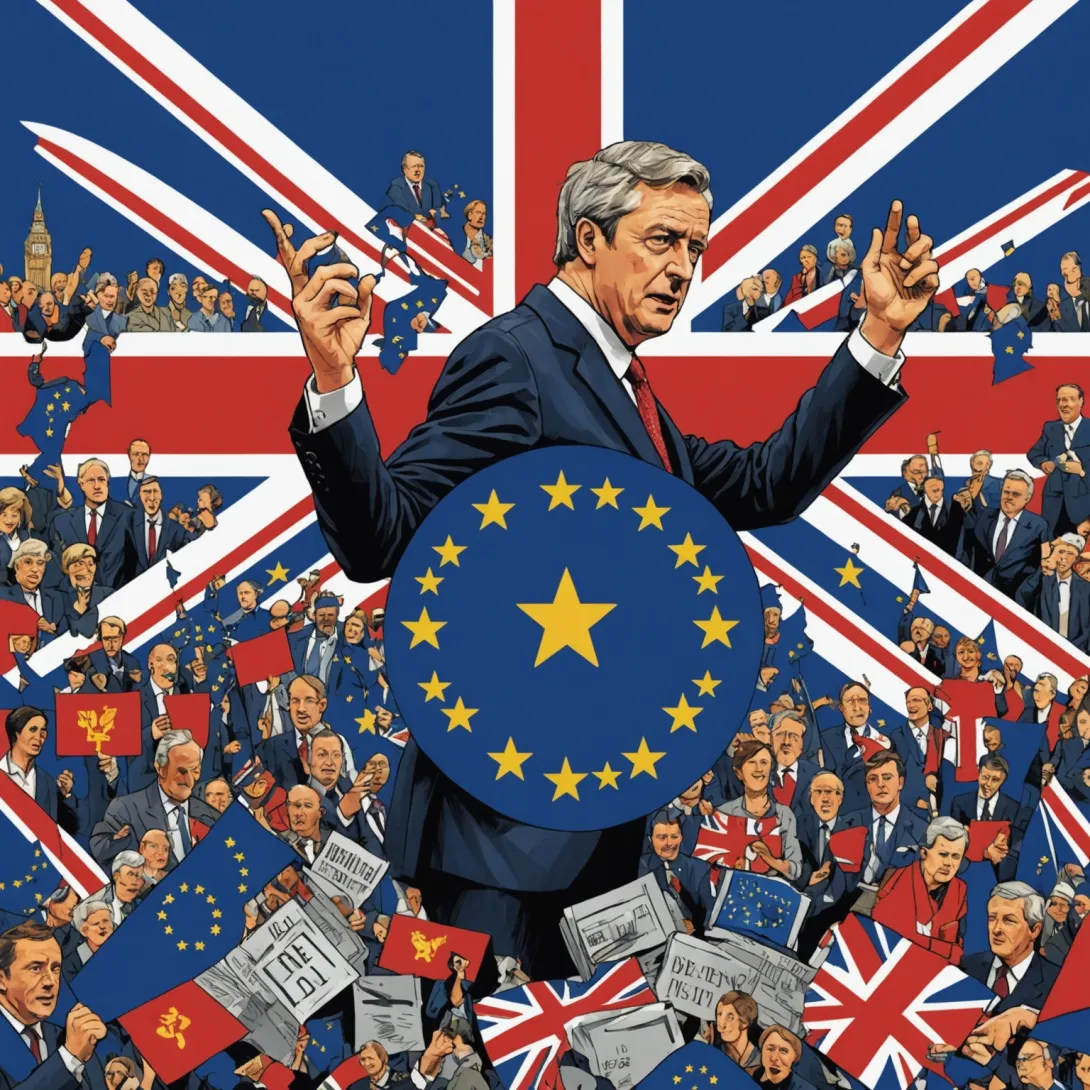
Brexit has had enduring and multifaceted effects on the UK’s economy, politics, and global relationships. It has introduced new challenges and opportunities in global trade, reshaped UK politics by changing domestic and regional dynamics, and compelled the UK to redefine its role on the world stage. Understanding these changes is essential for policymakers, businesses, and citizens to navigate the post-Brexit era effectively.


